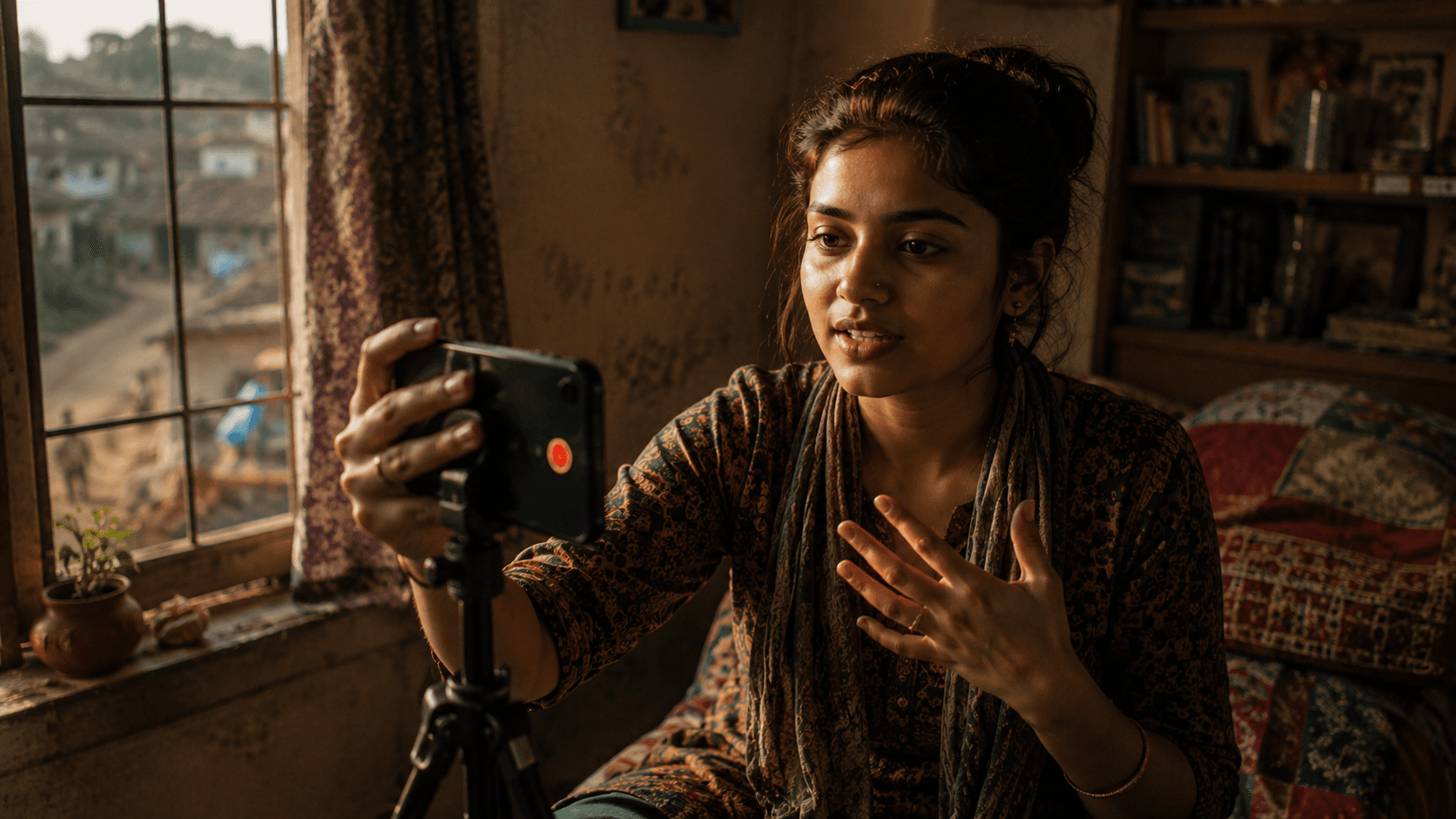
The Next 100 Million YouTube Creators Will Not Speak English. And That Is the Biggest Opportunity in the Global Creator Economy Right Now.
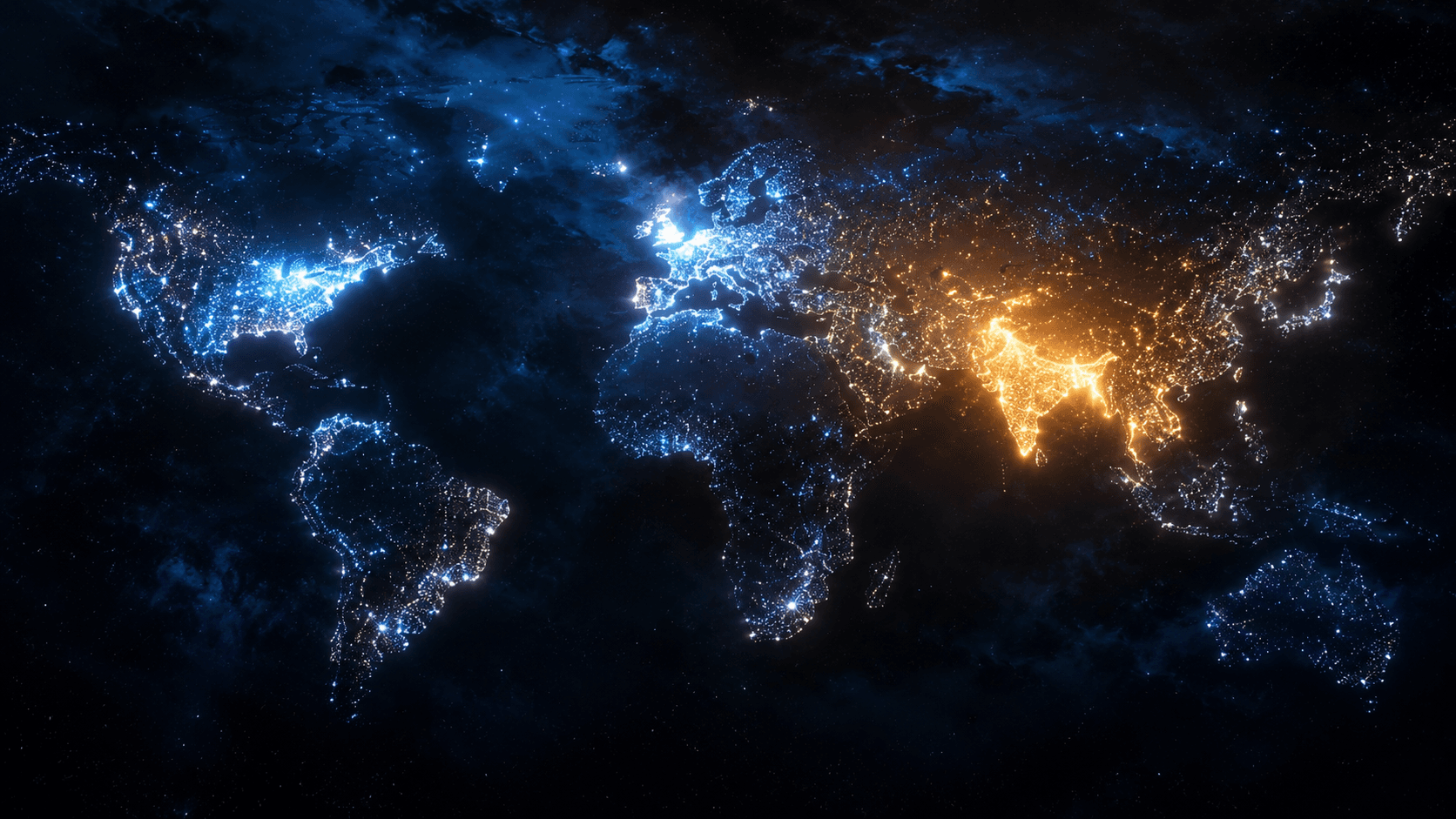
The geography of the next creator economy wave
The global creator economy conversation takes place almost entirely in English, about creators who primarily create in English, for audiences whose purchasing power is of interest to global advertisers.
This conversation represents approximately 1.5 billion of the world's 8 billion people.
The other 6.5 billion are creating content. Consuming content. Building communities. Using the internet. Speaking their own languages. And almost entirely outside the monetised creator economy.
The next significant wave of creator economy growth is not going to come from the markets that already have infrastructure. It is going to come from the markets that need infrastructure built specifically for them.
India is the largest and most immediate example of this. But it is not the only one.
What the numbers look like at scale
India: 50 million plus content creators, 600 million consumers of non-English content, creator economy valued at approximately $0.4 billion against a US creator economy of $250 billion.
Indonesia: 270 million people, 77 languages, a rapidly growing creator community, almost entirely outside the monetised creator economy. YouTube Indonesia has enormous viewership. Creator earnings are a fraction of US or UK equivalents.
Brazil: 215 million people, a massive Portuguese-language creator community that has demonstrated the ability to build extraordinarily engaged audiences. Creator monetisation infrastructure is significantly underdeveloped relative to the size and quality of the creator community.
Nigeria and the broader West African anglophone market: a young, digital-native population with extraordinary creative output in music, comedy, fashion, and lifestyle content. Infrastructure to monetise this output is nascent.
The pattern is consistent across all of these markets: creator population and audience engagement are real. Monetisation infrastructure is not.
Why the infrastructure does not exist yet
The existing global platforms, YouTube, Instagram, TikTok, were built by and for Western markets and then expanded internationally. Their monetisation architectures reflect the advertising market structures of their origin contexts: premium CPM rates for premium anglophone audiences, with everything else as a secondary consideration.
Solving this structurally requires not adapting existing platform monetisation for new markets but building monetisation architectures from the ground up for how those markets actually work.
This is harder than expanding an existing platform. It requires understanding how value flows in creator economies where advertising CPM alone cannot support creator income. It requires building payment infrastructure that works in markets where international payment rails are not seamlessly accessible. It requires understanding content discovery mechanics that work for audiences who are searching in their own language.
These are infrastructure problems. They are hard. They are also the problems that create the most durable competitive advantages when solved.
Why MeTubez starts with India
India is the most addressable version of this problem for several reasons.
Scale: 1.4 billion people, 50 million creators, 600 million vernacular content consumers. The addressable market is not marginal.
Infrastructure maturity: UPI has made payment infrastructure sophisticated enough to support novel monetisation models. Jio has made internet access democratised enough that the connectivity barrier is significantly reduced. Smartphone penetration is at a level that makes a mobile-first creator platform viable.
Regulatory environment: the Government of India has been actively supporting indigenous digital platforms and creator economy development. Our Government of India grant is evidence of this support.
No clear incumbent: the reasons why YouTube and Instagram have not solved this problem are structural, not competitive. They are not going to solve it. The space is genuinely open.
What this means for investors thinking globally
The creator economy infrastructure that India needs is the same infrastructure that Indonesia, Brazil, Nigeria, and eventually many other markets need. A platform that correctly solves the monetisation architecture problem for vernacular Indian creators has a template that is applicable to every comparable market globally.
The investment thesis is not: India's creator economy will grow modestly and MeTubez will capture some of it. The thesis is: the global creator economy's next phase is about emerging market creator infrastructure, India is the most immediate and largest version of this opportunity, and a platform that succeeds in India has a legitimate claim to being the category leader globally.
We are building MeTubez with this in mind. Not as a domestic Indian app. As the first serious attempt to build the infrastructure that makes the global vernacular creator economy real.
If you are an investor who thinks about global creator economy infrastructure and have not spent time on the India opportunity specifically, this is the time. The window of building without a dominant incumbent is not permanent.