A Creator in Gorakhpur Has 40,000 Views a Month and Earns Rs 400. Here Is Why That Is a Platform Problem, Not a Creator Problem.
Let us start with the numbers that nobody is talking about
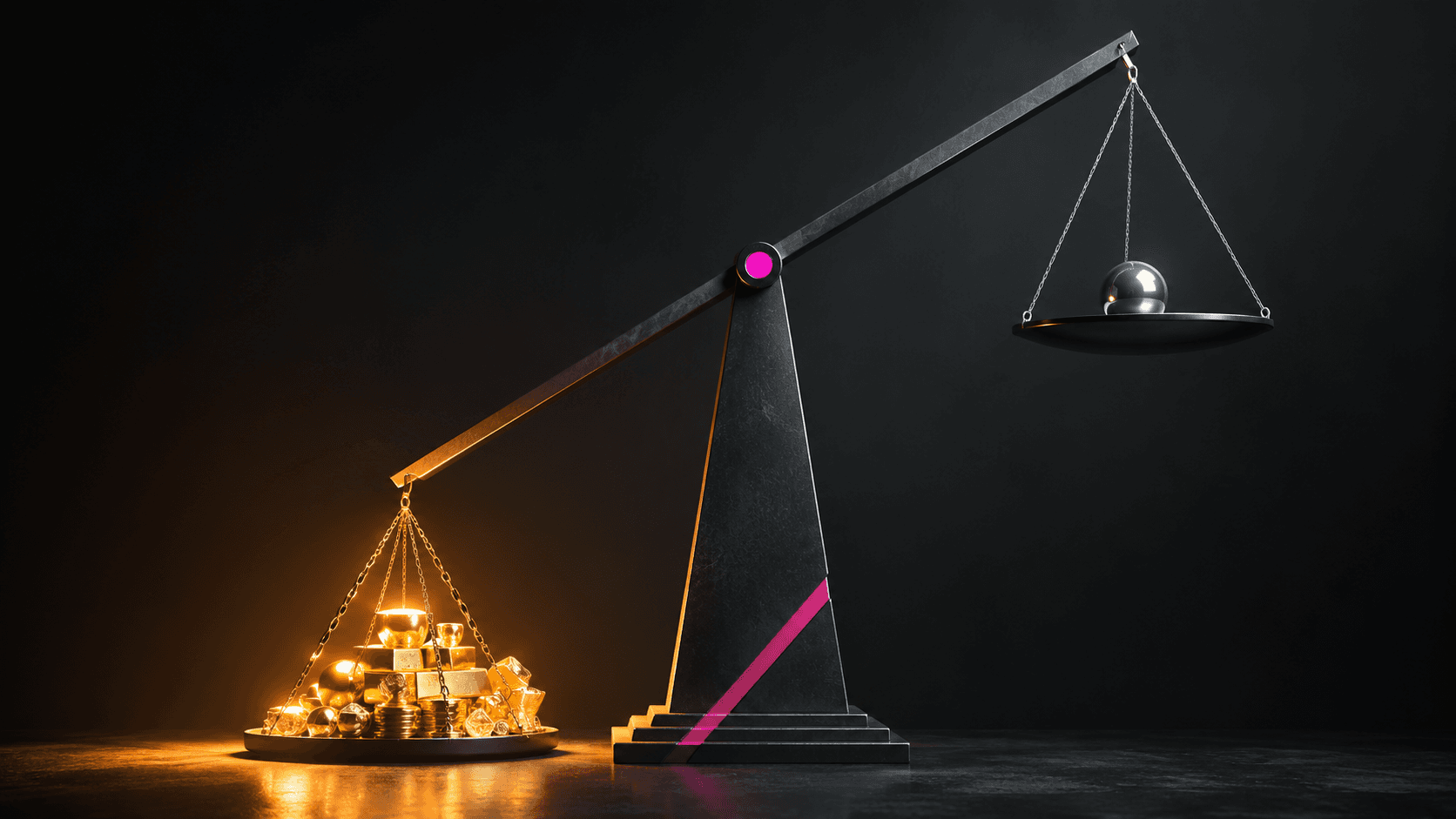
India has over 50 million content creators. The United States has a similar number. The US creator economy is valued at approximately $250 billion. India's creator economy is valued at approximately $0.4 billion.
Same creators. Different infrastructure. Completely different economic outcomes.
That gap is not because Indian creators are less talented. If you have spent any time watching Hindi, Bhojpuri, Tamil, Marathi, or Odia content online, you know the quality and the engagement are real. The gap is because the monetisation infrastructure was not designed for them.
How the CPM gap actually works
YouTube's primary revenue mechanism is advertising. Advertisers pay to reach audiences. The amount they pay per thousand views (CPM) varies based on how much advertisers want that particular audience.
English-language content on YouTube in India: CPM of roughly Rs 150 to Rs 400 per thousand views.
Hindi and regional language content on YouTube in India: CPM of roughly Rs 20 to Rs 60 per thousand views.
The same platform. The same effort. A 6 to 12 times difference in earnings, purely based on the language the creator speaks.
This is not YouTube being malicious. It is YouTube reflecting what international and premium advertisers are willing to pay to reach different audiences. The system was built for a market where English-speaking audiences have more disposable income and where advertisers value that audience more.
The problem is that the system is now being applied to 50 million creators who do not fit the model it was built for.
The creator in Gorakhpur
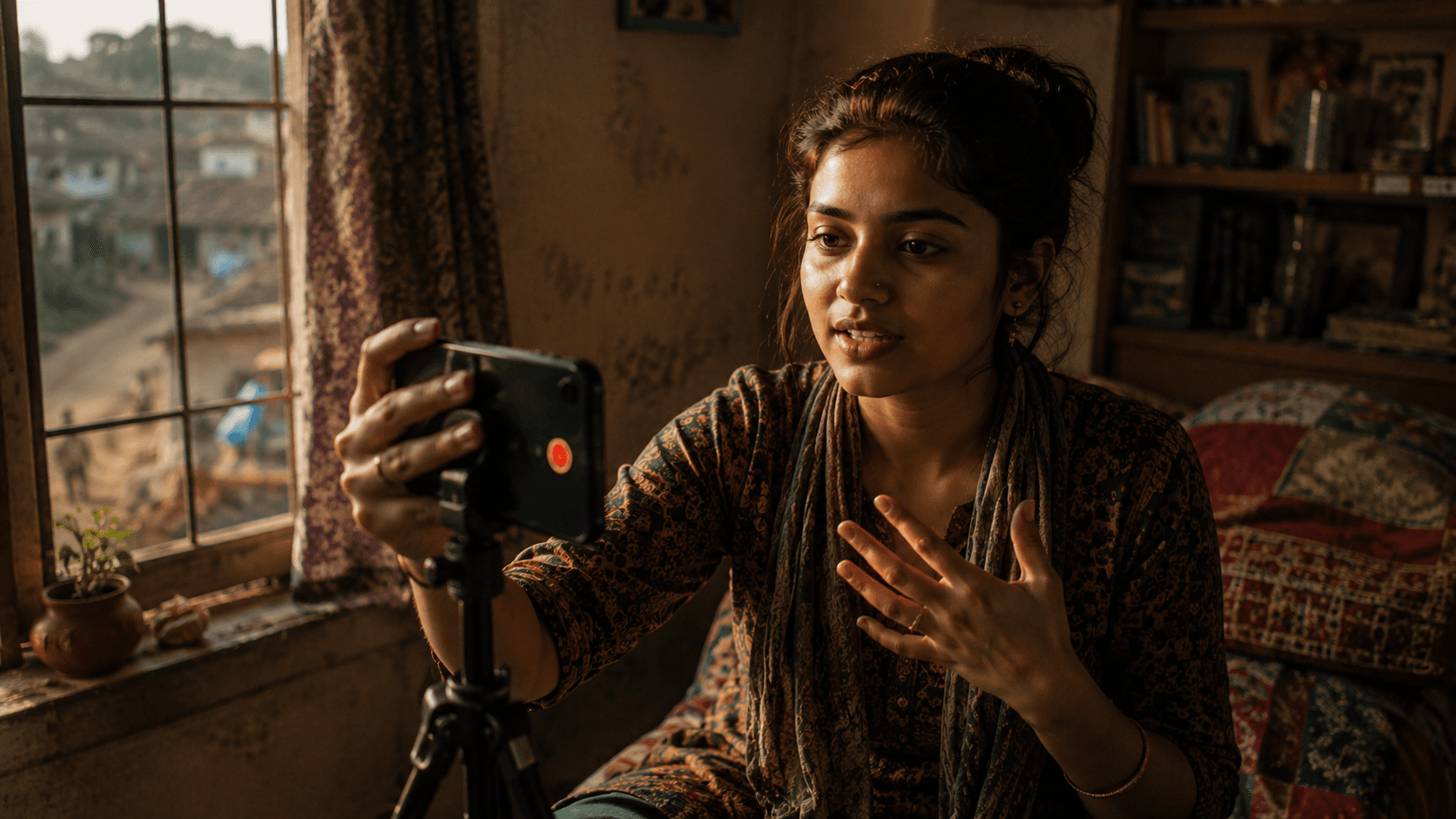
She makes cooking content in Bhojpuri. Her audience is deeply engaged. Her comments section has conversations, debates, recipe requests. She posts three times a week and has done so consistently for two years.
Her monthly YouTube earnings: Rs 380 to Rs 420.
This is not exceptional. This is typical for vernacular creators in Tier 2 and Tier 3 India. The creator ecosystem in India is enormous, engaged, and almost completely unpaid.
What the existing platforms offer
YouTube: Ad revenue model with the CPM gap described above. YouTube Shorts fund exists but is modest and inconsistently distributed. YouTube Premium revenue share requires Premium subscribers, and Premium penetration in India is under 2%.
Instagram Reels: Does not meaningfully pay creators. Uses creator content to keep users on Instagram and then monetises those users itself. The creator's value is captured by the platform.
Moj, Josh, Chingari: Rose during the TikTok ban in India and attracted significant creator volume. But the funding environment shifted, the competitive pressure from Instagram intensified, and the monetisation architecture for creators was never the primary design principle.
What is missing is a platform where creator monetisation is the starting point of the design, not an afterthought.
What MeTubez is building
MeTubez is a video platform under Twenties Entertainment Pvt. Ltd., building since 2019, with a WIPO PCT international patent on the core technology and a Government of India grant.
The core design principle is simple: a creator should earn from their first video. Not their thousandth. Not after hitting a subscriber threshold. From video one.
This requires a different monetisation architecture than advertising CPM. It requires thinking about how value flows from audience to creator in a market where the audience may not be the premium target of global advertisers but is deeply real, deeply engaged, and deeply underserved by existing infrastructure.
That is the architecture we are building. Not an app with a slightly better UI. A different underlying model.
Why this matters beyond the creator
The creator economy in India is not just a media story. It is an economic opportunity for a category of people who have skills, audiences, and work ethic but are currently outside the income infrastructure of the digital economy.
A vernacular creator who can earn a dignified income from their content is a small business. They employ editors, invest in equipment, develop local advertising partnerships, and become economically independent. Multiply that by the tens of millions of creators who could be in that position and the GDP impact is not trivial.
The next significant chapter of India's digital economy is not going to be written in English. It is going to be written in the languages of the 600 million Indians who consume and create content in their mother tongue every day.
The infrastructure for that chapter does not fully exist yet. That is what MeTubez is here to build.